
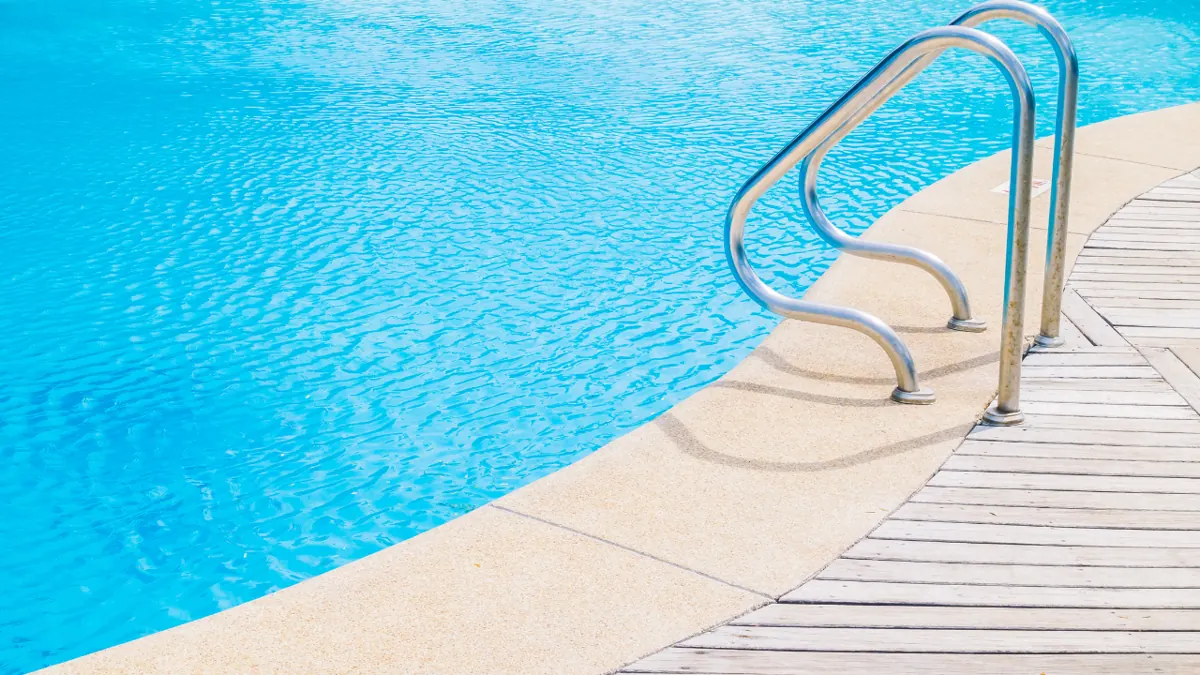
A home pool is a joy, and it needs thoughtful swimming pool safety, especially with children, elders or guests who do not swim. Good safety is a mix of design, equipment and habits. None replaces supervision.
Supervision comes first
The most important safety measure is an adult watching, without distraction, whenever children are near water. Designate a watcher during gatherings and agree on shifts. Never leave children alone near the pool, even briefly.
Barriers and fencing
A barrier that separates the pool from the house and garden prevents unsupervised access. Use a fence or wall with a self-closing, self-latching gate that opens away from the pool. Where space allows, a barrier at the house door adds another layer.
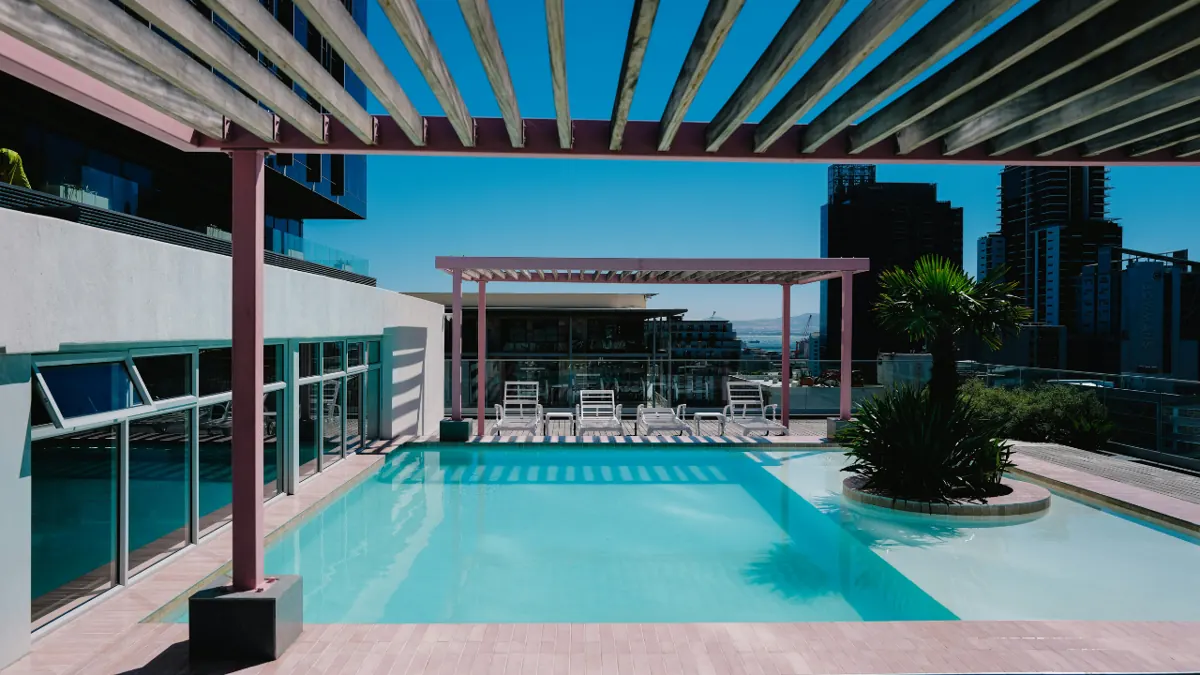
Covers and alarms
A properly fitted safety cover blocks access when the pool is not in use and reduces evaporation and debris. Pool alarms and gate alarms provide an extra warning. Treat these as additional layers, not replacements for fences and supervision.
Non-slip surfaces and visibility
Wet decks are slippery. Choose non-slip tiles or decking, add handrails at steps and ladders, and mark depth clearly. Underwater and perimeter lighting helps evening use. See pool deck and outdoor furniture for suitable surfaces.
Rules for everyone
- No running on the deck
- No diving in shallow areas
- Never swim alone
- Keep glass away from the pool
- Teach children to swim and basic water safety
- Keep a phone and basic first-aid kit nearby
Chemical and equipment safety
Store chemicals in a cool, dry, ventilated, locked area, never mix them and keep the original labels. Keep the equipment room locked. Electrical safety matters: pool lighting and pumps should be installed by qualified professionals with proper earthing and protection.
Learn basic rescue skills
Family members should learn basic water rescue and CPR. Keep a rescue ring or pole near the pool. Knowing what to do in the first minute matters most.
Safety by age group
- Toddlers and young children: need constant, close adult supervision and physical barriers
- School-age children: need swimming lessons, clear rules and supervision
- Teenagers: need rules on diving, horseplay and swimming alone
- Elders: need non-slip surfaces, rails and easy steps
- Guests: need a briefing on depth, rules and safety equipment
A simple pool safety plan for your home
- Install a barrier and a self-latching gate
- Keep a rescue ring and pole within reach
- Post emergency numbers and basic rules near the pool
- Keep a first-aid kit and phone nearby
- Teach everyone how to call for help
- Review the plan once a year and after changes
What to do in an emergency
If someone is in trouble in the water, call for help immediately, reach or throw a rescue aid first and enter the water only if trained and safe. Begin CPR if the person is not breathing, and call emergency services. Knowing these steps in advance makes a critical difference. Consider a first-aid and CPR course for the family and household staff.
Safety during monsoon and at night
Rain makes decks slippery and reduces visibility. Keep the pool covered when unattended, switch on perimeter lights in the evening and restrict access after dark. Check that lights and electrical fittings are protected and properly earthed.
Safety audit checklist for your pool
- Barrier complete, in good condition and at suitable height
- Gate self-closes and self-latches properly
- Deck is non-slip and free of trip hazards
- Depth markings clearly visible
- Rescue equipment in place and accessible
- Lighting working for evening use
- Electrical fittings protected, earthed and inspected
- Chemicals stored securely
- Emergency plan displayed and understood
Teaching children water safety
Teach children to ask permission before entering the water, never to swim alone and to stay away from drains and equipment. Teach them to float and call for help. Enrol them in swimming lessons with qualified instructors, and refresh the lessons every year. Education supports, but never replaces, supervision and barriers.
Safety by design
Safety is easiest when built into the design: gentle steps, a shallow zone, rails, barriers and sensible lighting. Discuss these with your designer; see customized villa pool service and maintenance checklist. For questions about your pool, contact us.
Frequently asked questions
Is a fence necessary if I have a cover?
A fence is better as a permanent barrier. A cover is an extra layer.
When should children learn to swim?
As early as possible, with a qualified instructor. Swimming lessons do not replace supervision.
Are pool alarms reliable?
They help but can fail or be turned off. Use them with barriers and supervision.
How should I store pool chemicals?
Locked, cool, dry, ventilated and away from children, with products kept separate.
Keep reading
Swimming Pool Maintenance in Bangalore: Monsoon Checklist
A practical swimming pool maintenance checklist for Bangalore homes: daily skimming, weekly testing, filter care and monsoon tips to keep water clear and safe.
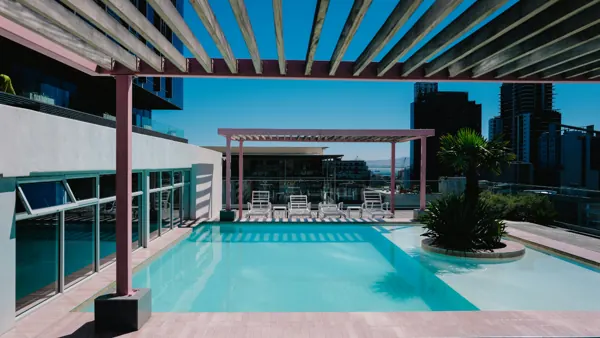
Rooftop Swimming Pool in Bangalore: Structure and Waterproofing
Thinking of a rooftop swimming pool in Bangalore? Learn about structural load, waterproofing, drainage, safety and design before you build on your terrace.
Swimming Pool Service in Bangalore: Complete Guide
Swimming pool service in Bangalore explained: design, construction, filtration, finishes, safety and maintenance for homes and villas.