
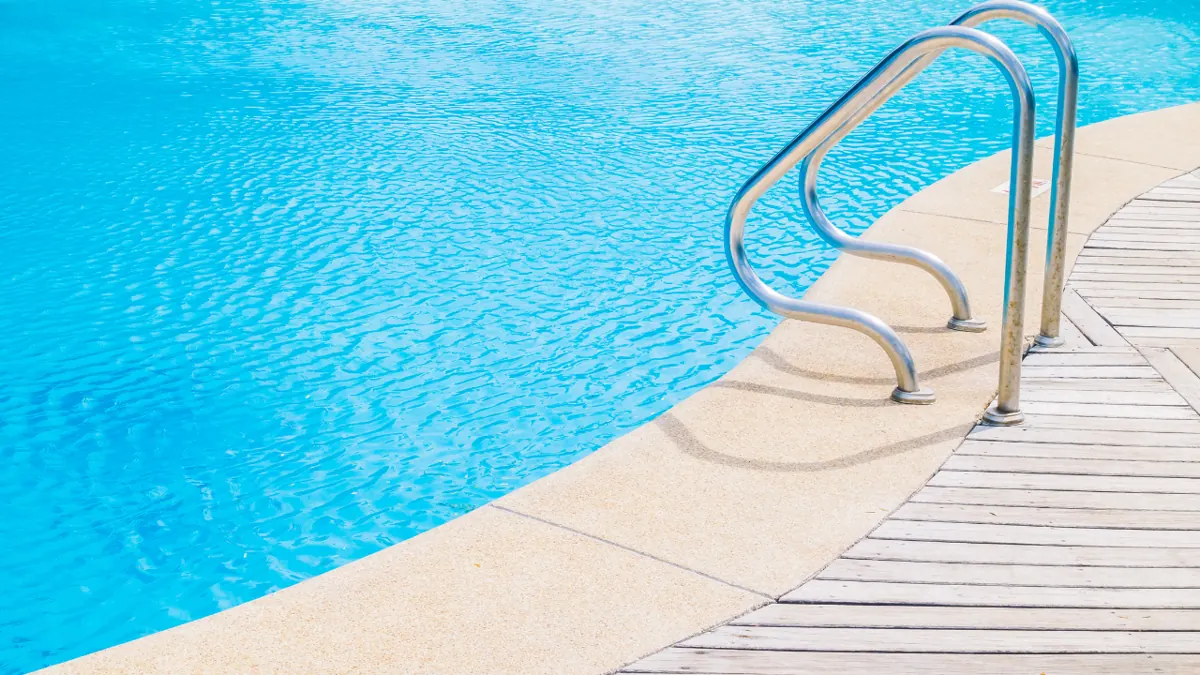
Clear pool water is a result of two systems working together: filtration, which removes particles, and water treatment, which keeps the water sanitised and balanced. This guide explains both in plain language.
How filtration works
The pump draws water through skimmers and main drains, pushes it through a filter and returns it to the pool through jets. The filter traps dust, pollen and debris. How often the entire volume passes through the filter, called turnover, determines clarity. Many home pools target a full turnover within several hours.
Sand filters
Sand filters use a bed of graded sand. They are popular, durable and easy to maintain. Backwashing, reversing flow to flush trapped dirt, is done when pressure rises. Backwash uses water, so do it only when needed.
Cartridge filters
Cartridge filters use a pleated element that is removed and rinsed. They filter finer particles and use less water than backwashing, but cartridges need periodic cleaning and eventual replacement.
Pump sizing and energy
Oversized pumps waste energy; undersized pumps cannot circulate properly. Equipment should be sized to the pool volume and plumbing. Variable-speed pumps can cut electricity use by running slower for longer. Ask your installer to explain the sizing.
Sanitising: chlorine and alternatives
Chlorine, in liquid, granular or tablet form, is the most common sanitiser. Salt chlorinators generate chlorine from dissolved salt and can give softer-feeling water, but they have upfront cost and need the right care for equipment. UV and ozone systems can reduce chlorine demand but do not replace residual sanitiser.
Balancing the water
Three numbers matter: pH, alkalinity and sanitiser level. Balanced water is clear, comfortable and protects surfaces and equipment. Out-of-range pH makes chlorine less effective and can irritate skin and eyes. Test regularly using a reliable kit; see our maintenance checklist.
Automation and dosing
Automatic dosing controllers monitor pH and chlorine and add chemicals as needed. They are useful for busy owners or frequently used pools. Smart controllers and timers also reduce human error.
Understanding the numbers on your test kit
- pH: measures acidity; target roughly 7.2 to 7.6
- Free chlorine: the active sanitiser; commonly maintained around 1 to 3 ppm
- Total alkalinity: buffers pH; often kept around 80 to 120 ppm
- Calcium hardness: protects surfaces; roughly 200 to 400 ppm for many pools
- Stabiliser (cyanuric acid): protects chlorine from sunlight in open-air pools
These are common guidelines. Follow the recommendations from your equipment and chemical suppliers for your pool type and finish.
Shock treatment and algae control
Shock treatment raises chlorine temporarily to break down contaminants and kill algae. Use it after heavy use, after storms or when water turns cloudy or green. Brush surfaces first to loosen algae, then dose according to product instructions, and run the pump continuously until water clears. Prevention is easier than cure: keep chlorine in range and brush weekly.
Water saving filtration habits
Backwash only when pressure indicates it, and for the recommended duration. Use a cover to reduce evaporation. Fix leaks early. Consider reusing backwash water on gardens where chemically suitable. These habits matter in a city where water is a precious resource.
Choosing between manual and automated systems
Manual systems are cheaper and simple, but need daily attention. Automated dosing and monitoring suit owners who travel, host often or want consistent water. A hybrid, with timers for pumps and manual testing, is a common middle path.
Troubleshooting guide
- Cloudy water with good chemistry: check filter condition and run time
- Green water: brush, shock treat and run the filter continuously
- Eye irritation: often combined chlorine or pH problems, so test and correct
- Rapid chlorine loss: check stabiliser, sunlight exposure and organic load
- Scale deposits: reduce calcium hardness or adjust pH and alkalinity
- Low pump flow: check baskets, valves, air leaks and filter pressure
Bangalore water considerations
Source water in the city can vary in hardness and mineral content, depending on whether you use borewell, tanker or municipal supply. Test fill water before filling or topping up, and adjust accordingly. Hard water may cause scale, while very soft water can affect surfaces. A simple water test before the first fill saves problems later.
Plan filtration early
Equipment room size, drainage and access should be planned during design, not after the structure is built. See what a complete pool service covers and the cost guide. For help planning, explore our swimming pool solutions or contact us.
Frequently asked questions
Sand or cartridge filter?
Sand filters are robust and simple; cartridge filters polish finer and save water. Your installer can recommend based on usage.
Are salt pools chlorine-free?
No. They generate chlorine from salt, usually at gentler levels.
How long should the pump run daily?
Enough to circulate the full volume at least once, often several hours. Follow your equipment guidance.
What causes cloudy water?
Poor filtration, imbalanced pH, low sanitiser or heavy use. Test and correct them step by step.
Keep reading
Swimming Pool Maintenance in Bangalore: Monsoon Checklist
A practical swimming pool maintenance checklist for Bangalore homes: daily skimming, weekly testing, filter care and monsoon tips to keep water clear and safe.
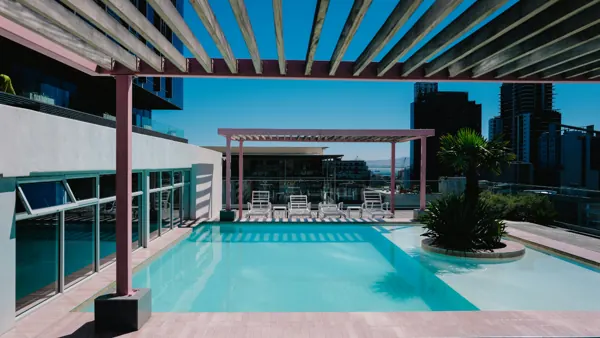
Swimming Pool Service in Bangalore: Complete Guide
Swimming pool service in Bangalore explained: design, construction, filtration, finishes, safety and maintenance for homes and villas.
Swimming Pool Safety for Families: Fencing, Covers, Rules
Keep your family safe around a home swimming pool in Bangalore: fencing, covers, alarms, non-slip surfaces, supervision rules and chemical storage tips.